
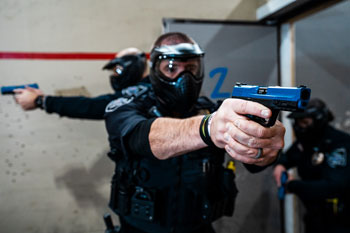
Every officer knows there's a big difference between qualifying on the range and responding to a call where you don't know what's waiting for you. Encounters don't follow a script. Adrenaline kicks in, information is incomplete, and decisions have to be made in seconds.
That's why some of the best police training today isn't about punching holes in paper targets - it's about putting officers into realistic situations where they have to think, communicate, move, and make decisions under pressure.
The agencies producing confident, capable officers aren't just checking training boxes. They're creating training environments that replicate what officers actually face in the field.
What Makes Training Effective?
Good training teaches skills.
Great training teaches officers how to apply those skills when stress levels spike and the situation becomes unpredictable.
The most effective law enforcement training focuses on:
-
Decision-making under stress
-
Communication and de-escalation
-
Threat recognition
-
Use-of-force judgment
-
Team tactics
-
Officer survival
-
Real-world problem solving
Officers need opportunities to prepare for the worst, in training—not on the street.
Why Traditional Range Training Has Limits
Firearms qualifications are important. Every officer needs to maintain proficiency with their duty weapon. Most officer-involved shootings don't look anything like qualification day.
-
Suspects move
-
People yell
-
Bystanders get involved
-
Information changes
-
Visibility is poor
-
Stress affects performance
An officer can shoot a perfect qualification score and still struggle during a rapidly evolving critical incident if they've never trained in realistic scenarios.
That's why many agencies are shifting more resources toward force-on-force and reality-based training.
Force-on-Force Training: The Closest Thing to the Real World
Ask experienced instructors what training method creates the biggest impact, and many will tell you the same thing: Force-on-force training.
Unlike static range drills, force-on-force places officers against live role players who think, react, communicate, and fight back. The situation becomes unpredictable—just like real life.
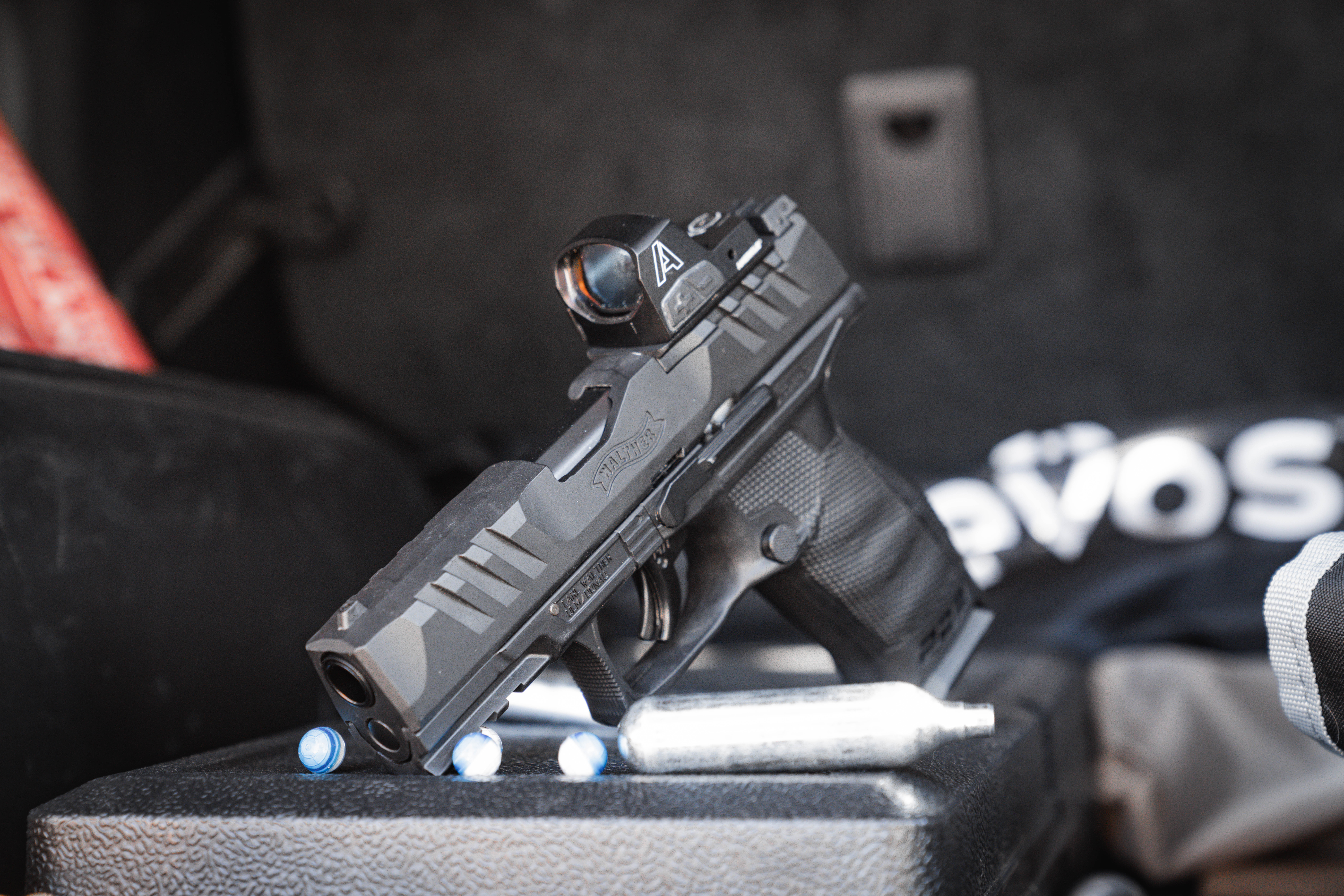
Using realistic T4E training markers, officers can safely experience:
-
Traffic stops
-
Domestic disturbances
-
Active threats
-
Building searches
-
High-risk encounters
-
Use-of-force decision making
The value is learning when not to shoot, when to communicate, when to move, and when to slow things down.
Why Officers Remember Force-on-Force Training
Every instructor has seen it. Details from PowerPoint presentations are easily forgotten. Force-on-force scenarios are different, they expose a tactical mistake or communication breakdown. When officers experience consequences during realistic scenarios, the lessons stick.
-
Build confidence
-
Improve decision-making
-
Strengthen communication
-
Develop tactical awareness
-
Identify weaknesses
-
Learn from mistakes in a safe environment
There's a reason officers often talk about force-on-force scenarios years after they happen. Those lessons stay with you.
Scenario-Based Training Builds Better Decision-Makers
Police work isn't about memorizing answers. It's about making good decisions when there may not be a perfect answer.
Scenario-based training places officers in realistic situations where they must:
-
Gather information
-
Assess threats
-
Communicate effectively
-
Apply department policy
-
Make lawful decisions
Common scenarios include:
-
Domestic violence calls
-
Suspicious persons
-
Mental health crises
-
School incidents
-
Active threats
-
Traffic stops
-
Building searches
These exercises force critical thinking instead of simply reacting.
De-Escalation Training That Actually Works
Most officers understand that communication can be one of the most effective tools on their belt. But communication skills can't be developed solely in a classroom. The best de-escalation training involves realistic role players who create stress, emotion, and uncertainty.
-
Slow situations down
-
Gain compliance
-
Reduce tension
-
Manage emotionally charged encounters
-
Increase safety for everyone involved
Just like firearms skills, communication skills improve through repetition and realistic practice.
Active Shooter Training Must Be Realistic
Active threat incidents require officers to move toward danger while making rapid decisions under extreme stress. Training for these events must go beyond lectures and walkthroughs.
Effective active shooter training includes:
-
Team movement
-
Communication
-
Threat identification
-
Building clearing
-
Casualty management
-
Decision-making under pressure
Many agencies are using force-on-force training tools during active threat exercises because they create accountability and realism that traditional drills simply cannot replicate.
CQB Training for Real-World Environments
Most police operations happen inside buildings, schools, businesses, apartment complexes, and homes. Close Quarters Battle (CQB) training prepares officers for these environments by focusing on:
-
Room clearing
-
Hallway movement
-
Cornering techniques
-
Team communication
-
Threat recognition
-
Use of cover
The more realistic the environment, the more valuable the training becomes.
Frequently Asked Questions
What is the most effective police training?
The most effective police training combines force-on-force scenarios, reality-based exercises, communication training, firearms proficiency, and decision-making under stress.
Why is force-on-force training important?
Force-on-force training exposes officers to realistic situations where they must think, communicate, and make decisions against live role players instead of static targets.
Does force-on-force training improve officer safety?
Yes. Force-on-force training helps officers identify weaknesses, improve tactics, strengthen communication, and develop confidence before encountering similar situations in the field.
What training equipment do agencies use for force-on-force scenarios?
Many agencies use T4E training pistols, rifles, and markers because they provide realistic handling and allow officers to safely participate in dynamic scenarios.
Train Like the Job Demands
What matters is whether you've trained to make good decisions under pressure. The best officers—and the best agencies—understand that realistic training creates better outcomes. When officers are challenged in training, they become more confident in the field. That's why force-on-force, scenario-based, and reality-based training continue to become the gold standard for modern law enforcement training programs. Because when the call comes out and everything is on the line, it’s imperative to fall back on your training.